Good to Know
Trenchless vs. Traditional Sewer Line Repair
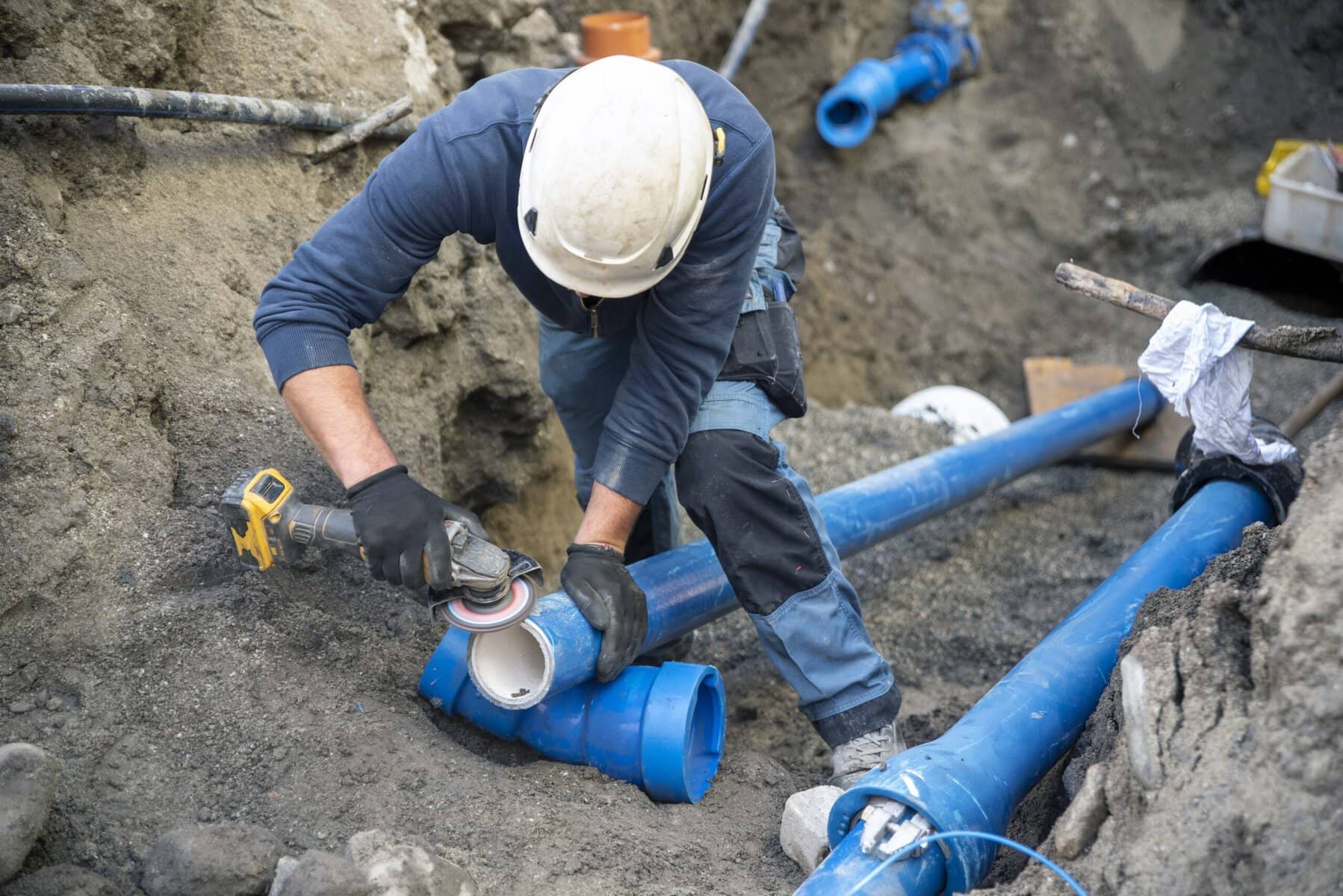
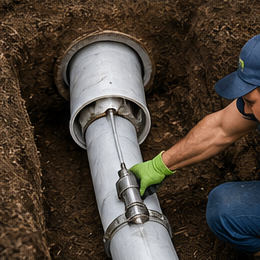
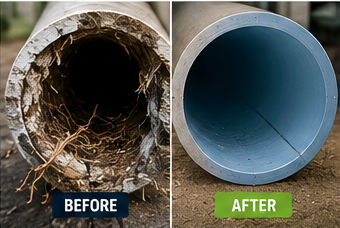
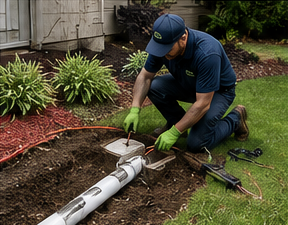
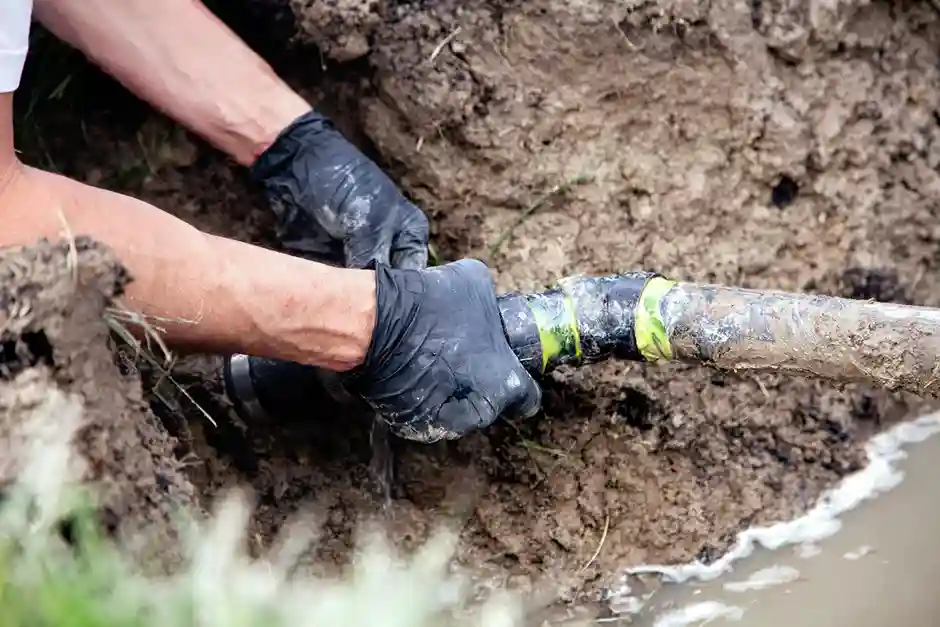
Not every sewer problem demands an excavator. The conventional approach digs a trench directly down to the damaged pipe, which solves the issue but leaves lawns, driveways, and patios torn apart in the process. Trenchless sewer line repair operates through a pair of small access points instead, typically relying on one of two methods: pipe relining, where a cured-in-place pipe (CIPP) liner cures into a brand-new pipe inside the existing one, or pipe bursting, which pulls a replacement pipe through as it shatters the old one. For many Houston homes, that translates to sewer line repair without digging up the entire yard, and a faster project completion overall.
What affects the sewer line repair cost?
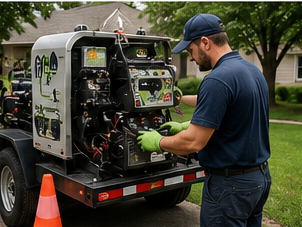
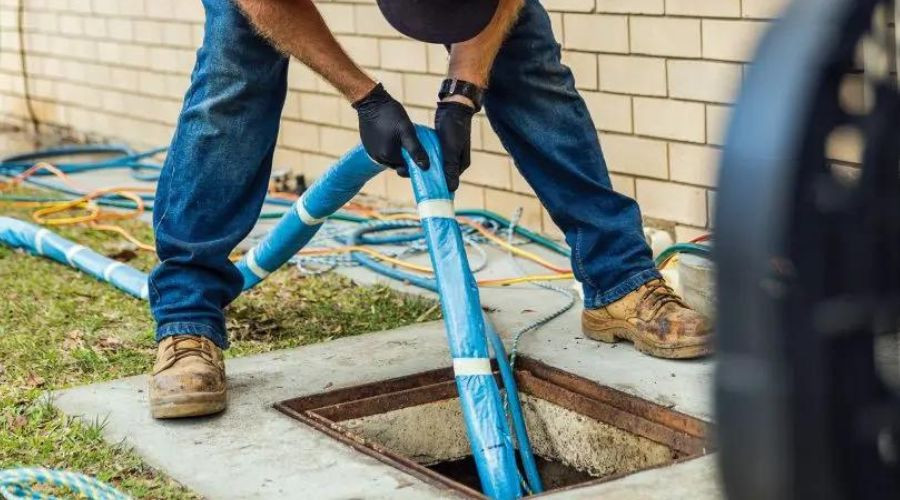
The sewer line repair price comes down to specifics: how deep the pipe sits, how much of it is damaged, what material it is made of, and whether the job calls for a targeted spot repair or a full sewer line replacement. That is exactly why we lead every appointment with a sewer camera inspection. A thorough sewer scope inspection reveals whether the issue is root intrusion, a cracked or broken sewer pipe, a belly in the sewer line, or an outright collapse, ensuring the quote reflects the actual work required rather than a worst-case estimate.
Common warning signs you need a sewer line contractor
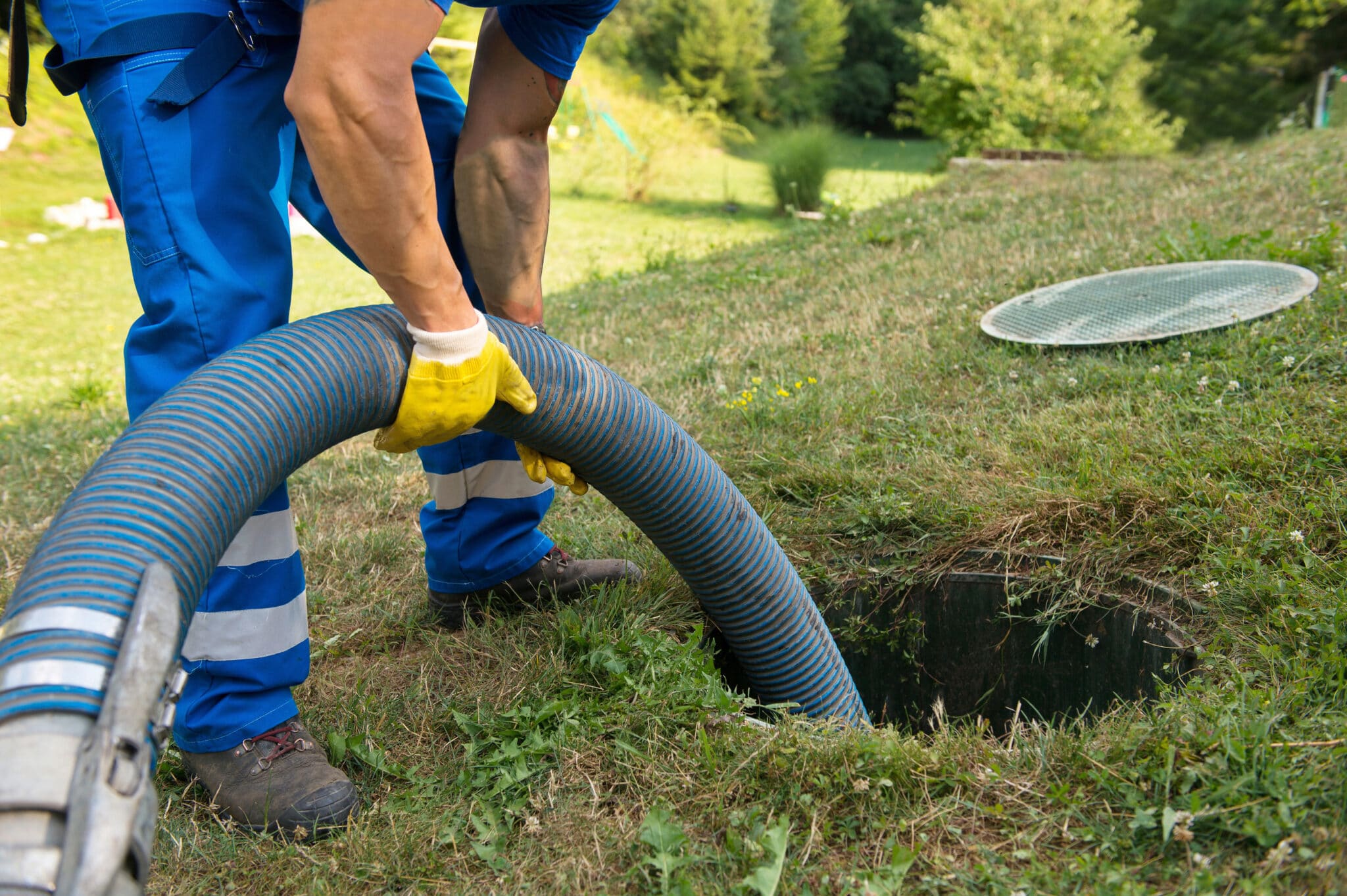
Watch for drains emptying slowly throughout the entire house, toilets that gurgle when not in use, a sewage smell rising from the yard, blockages that return shortly after being cleared, or a section of lawn that stays unusually lush and waterlogged above the pipe. Any of these can point to root intrusion, a clogged sewer line, or a pipe nearing failure. Addressing the problem early typically means a smaller, more affordable repair, often residential sewer line repair done trenchless, rather than a costly emergency excavation down the road. If those warning signs sound familiar, scheduling an inspection is the most economical step you can take right now.